
What Is Work Study? Complete College Financial Aid Guide for 2026
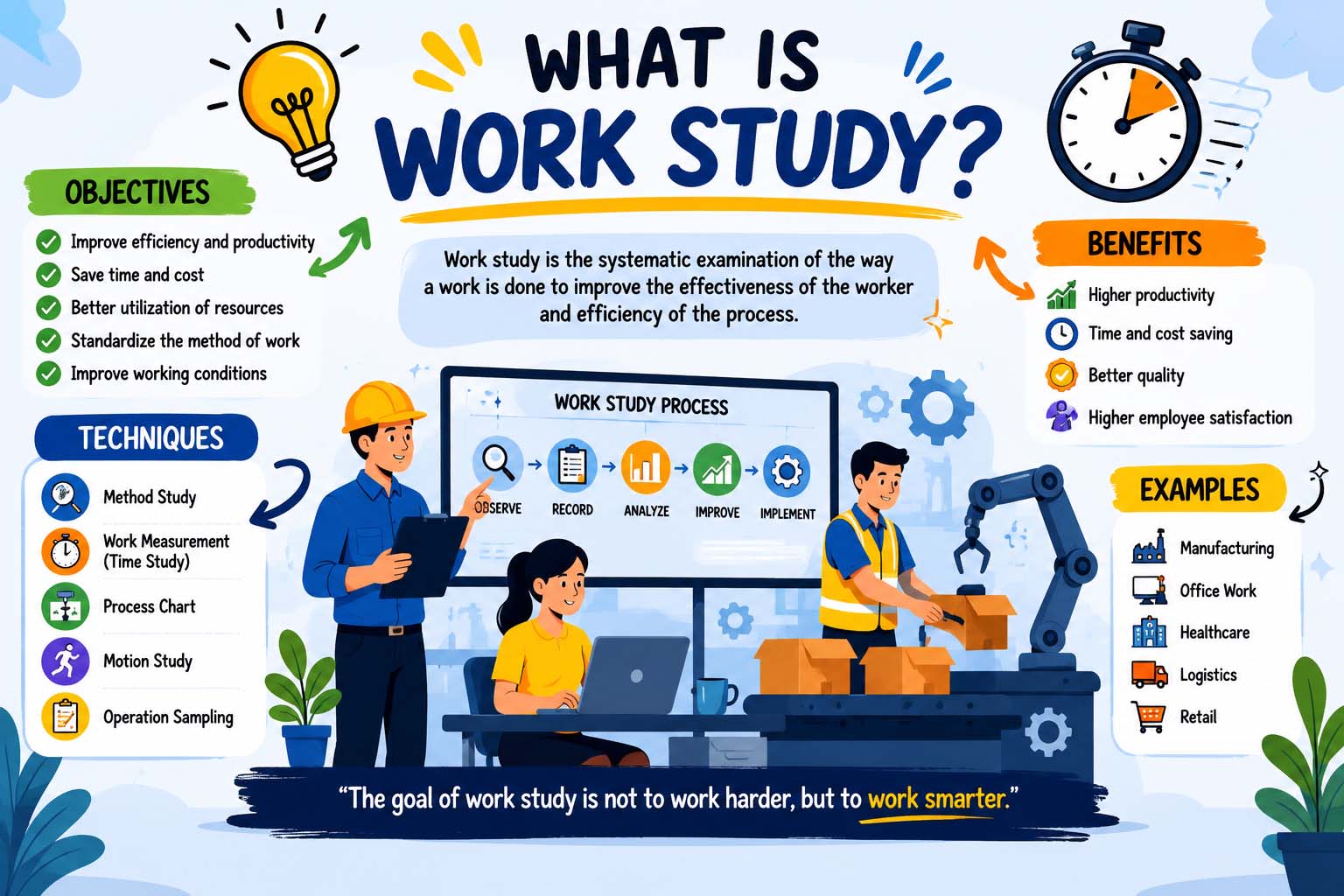
What Is Work Study? Complete College Financial Aid Guide for 2026
College education can be expensive, and many students look for financial aid programs that help reduce costs while providing valuable job experience. One common option is work study, a program designed to help students earn money while attending school.
Many students ask questions like what is work study, what is federal work study, or what is work study in college because the program often appears in financial aid packages.
What Is a Work Study?
A work study program is a financial aid program that helps students earn money through part-time employment while enrolled in school.
The program is designed to:
- Support educational expenses.
- Provide work experience.
- Help students build professional skills.
- Reduce reliance on loans.
Unlike traditional student loans, work-study earnings do not need to be repaid because students earn wages through actual .
Many students first learn about while exploring Why Is College So Expensive, since financial aid and employment opportunities can help them manage the overall cost of higher education.
What Is Federal Work Study?
Federal Work Study is a U.S. government financial aid program available to eligible college students with financial need.
Schools participating in the program receive federal funding to help pay student wages.
Students usually work:
- On campus.
- At community organizations.
- In administrative offices.
The goal is to help students balance education and employment in a manageable way.
What Is Work Study in College?
Work study in college refers to part-time jobs offered through a school’s financial aid system.
Students can use the money they earn to help pay for:
- Tuition.
- Books.
- Transportation.
- Housing.
- Personal expenses.
Many colleges try to schedule work study hours around students’ class schedules to support academic success.
Students considering long-term education should also understand options beyond undergraduate studies, such as What Is a Master’s Degree, when planning their academic future.
How Does Work Study Work?
The work-study process usually follows several steps.
Step 1: Complete Financial Aid Applications
Students often apply through financial aid forms such as FAFSA in the United States.
Step 2: Receive Financial Aid Package
Eligible students may see work study included as part of their aid offer.
Step 3: Apply for Campus Jobs
Students still need to apply for available positions.
Step 4: Begin Working
Students earn hourly wages while attending classes.
Step 5: Receive Payment
Work-earnings are typically paid directly to the student through payroll.
Types of Work-Study Jobs
Work-study jobs vary depending on the college or organization.
Common positions include:
- Library assistant.
- Campus office assistant.
- Research helper.
- Computer lab monitor.
- Tutor.
- Reception desk worker.
- Fitness center assistant.
Many positions focus on flexible schedules and student-friendly workloads.
Benefits of Work Study for Students
Work study programs offer several advantages.
Extra Income
Students can help cover daily expenses while attending school.
Flexible Scheduling
Most campus employers understand academic responsibilities.
Career Experience
Students gain practical work experience before graduation.
Reduced Loan Debt
Earning income may reduce the need for student loans.
Professional Networking
Students can build relationships with professors and campus staff.
Who Qualifies for Federal Work Study?
Eligibility usually depends on financial need and school participation.
Factors may include:
- Family income.
- Enrollment status.
- Citizenship requirements.
- Financial aid application results.
- Available school funding.
Not every eligible student automatically receives work study because funding can be limited.
How Much Can Students Earn?
Work-study earnings vary depending on:
- School funding.
- Job type.
- Hourly wage.
- Hours worked.
- Student schedule.
Some students work only a few hours weekly, while others work more regularly throughout the semester.
Most schools limit work hours to help students maintain academic performance.
Maintaining strong grades is important, so understanding What Is a Good GPA can help students stay eligible for scholarships, internships, and other academic opportunities while participating in programs.
Work Study vs Regular Part-Time Jobs
| Work Study | Regular Part-Time Job |
|---|---|
| Connected to financial aid | Independent employment |
| Often on campus | Usually off campus |
| Student-friendly schedules | May be less flexible |
| Designed for students | Focused on business needs |
| May relate to academic field | May not connect to studies |
Both options can help students financially, but work study programs are often more flexible for academic life.
Can Work Study Improve Career Opportunities?
Yes. Many students use work study jobs to gain valuable experience.
For example:
- A computer science student may work in campus IT support.
- A biology student may assist with laboratory research.
- An education major may tutor younger students.
These experiences can strengthen resumes and improve future job applications. Choosing opportunities related to your field of study becomes easier once you’ve explored What Should I Major In and selected an academic path that matches your career goals.
Common Challenges With Work Study
Although work study programs are helpful, they also have limitations.
Limited Hours
Students may not earn enough to cover all expenses.
Competitive Positions
Popular campus jobs may fill quickly.
Balancing Work and Classes
Time management remains important.
Funding Limits
Schools only receive limited work-study funding each year.
Students should still create realistic budgets and financial plans.
Tips for Success in Work Study Programs
Apply Early
Many schools award work-study funding on a first-come, first-served basis.
Build Time Management Skills
Balancing work and classes requires organization.
Choose Relevant Jobs
Positions connected to your major may help future career goals.
Maintain Academic Performance
Education should remain the top priority.
Communicate With Supervisors
Campus employers are usually supportive when students communicate clearly.
Students should also pay attention to important admission timelines, especially if they are transferring schools or applying to new programs that use What Is Rolling Admission policies.
Why Work Study Remains Important in 2026
Work study remains valuable because it combines:
- Income support.
- Career development.
- Professional skills.
- Flexible employment.
- Practical experience.
Modern colleges also offer more remote and technology-based opportunities than in previous years.
FAQ About What Is Work Study
What is work study?
Work study is a financial aid program that allows students to earn money through part-time jobs while attending school.
What is federal work study?
Federal is a government-supported financial aid program for eligible college students with financial need.
What is work study in college?
It refers to student employment programs connected to a school’s financial aid system.
Do students repay work-study money?
No. Students earn wages through employment, so the money does not need to be repaid.
Can work-study help career development?
Yes. Many positions provide professional experience and networking opportunities.
Conclusion
Understanding what is work study can help students make smarter financial and educational decisions. programs provide part-time employment opportunities that allow students to earn money while building valuable professional experience during college.
Whether through federal or school-based programs, students can benefit from flexible schedules, reduced financial stress, and stronger career preparation. In 2026, continues serving as an important educational support system for students seeking both academic success and practical experience.