What Will You Do to Maximize on Your Postsecondary Education Investment?
What Will You Do to Maximize on Your Postsecondary Education Investment?
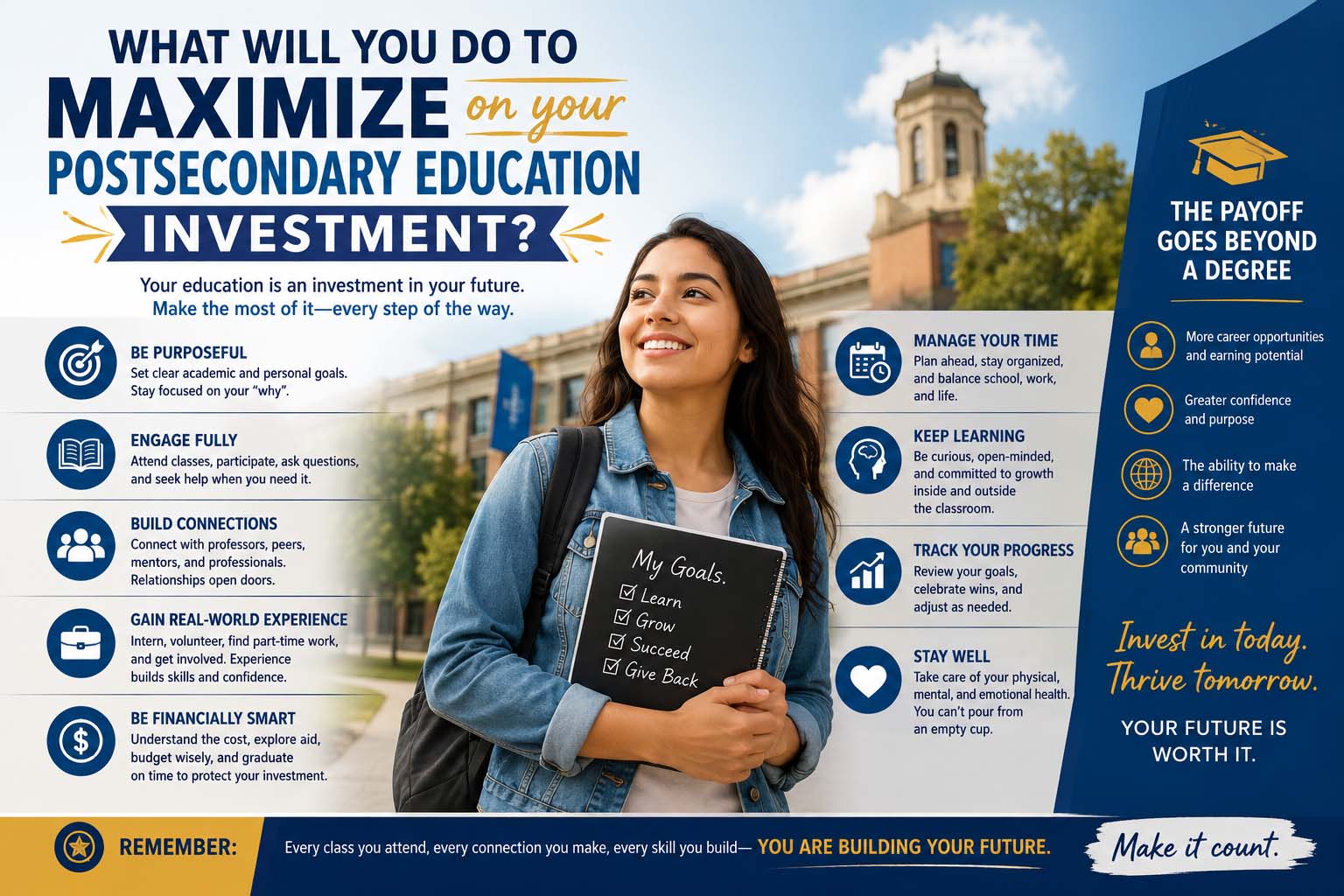
Postsecondary education is one of the biggest investments many people make in their lives. College, university, technical schools, and professional training programs require time, effort, and money. Because education costs continue to rise, students often ask themselves? The answer involves making smart academic, financial, and career decisions that increase the long-term value of education.
A postsecondary education can open doors to better career opportunities, higher salaries, and personal growth. However, students who want to maximize their educational investment must actively use available resources, develop practical skills, and prepare for future career success. Proper planning and commitment can help students gain the highest possible return on their educational experience.
Understanding Postsecondary Education Investment
Postsecondary education investment refers to the money, time, and energy students spend on education after high school. This includes tuition fees, books, transportation, housing, and daily living expenses. It also includes the years dedicated to studying and career preparation.
Many students view education as an investment because it can lead to better job opportunities and financial stability in the future. However, maximizing this investment requires more than simply attending classes. Students must develop skills, build connections, and prepare themselves for long-term professional success.
Understanding what will you do to maximize on your postsecondary education investment helps students focus on making decisions that improve both academic performance and future career outcomes.
Choosing the Right Program and Career Path
One of the most important ways to maximize a postsecondary education investment is selecting the right field of study. Students should choose programs that match their interests, strengths, and career goals.
Researching job market demand is also essential. Some industries offer stronger employment opportunities and higher salaries than others. Fields such as healthcare, technology, engineering, business, and skilled trades often provide strong career growth and financial stability.
Choosing a program without considering future opportunities can lead to difficulties finding employment after graduation. Careful planning helps students avoid unnecessary debt and increases the value of their education.
Maintaining Strong Academic Performance
Academic success plays a major role in maximizing educational investment. Good grades can improve scholarship opportunities, internship chances, and future job prospects.
Students who actively participate in class, complete assignments on time, and seek help when needed often gain a deeper understanding of their subjects. Strong academic performance also demonstrates discipline and responsibility to future employers.
Developing effective study habits is important for long-term success. Time management, organization, and consistent effort help students perform better academically and reduce stress during their educational journey.
Taking Advantage of Campus Resources
Many colleges and universities offer valuable resources that students sometimes overlook. Career centers, tutoring services, libraries, workshops, and counseling programs can all improve the educational experience.
Career centers often provide resume assistance, interview preparation, internship opportunities, and job placement support. These services can help students gain practical experience before graduation.
Networking events and student organizations also provide opportunities to connect with professors, industry professionals, and classmates. Building strong professional relationships can lead to internships, mentorships, and future employment opportunities.
Students who fully use campus resources often gain more value from their postsecondary education investment.
Gaining Real-World Experience
Practical experience is one of the best ways to maximize educational value. Employers often look for candidates who have both academic knowledge and real-world skills.
Internships, part-time jobs, volunteer work, and cooperative education programs help students develop professional experience before graduation. These opportunities teach communication, teamwork, leadership, and problem-solving skills.
Real-world experience also allows students to explore career interests and build professional confidence. Students who graduate with work experience may have a competitive advantage in the job market.
When considering what will you do to maximize on your postsecondary education investment, gaining practical experience should be a top priority.
Managing Finances Wisely
Financial management is another important part of maximizing educational investment. Student loans and educational expenses can create long-term financial pressure if not managed carefully.
Creating a budget helps students control spending and avoid unnecessary debt. Applying for scholarships, grants, and financial aid programs can reduce tuition costs significantly.
Some students choose part-time work to support their expenses while studying. However, balancing work and academics is important to avoid harming academic performance.
Developing Transferable Skills
In today’s competitive job market, employers value transferable skills that apply across many industries. Communication, teamwork, leadership, critical thinking, and problem-solving are highly valuable professional abilities.
Students can develop these skills through class projects, extracurricular activities, internships, and volunteer work. Strong interpersonal and professional skills often improve employability and career advancement opportunities.
Technology skills are also increasingly important. Learning digital tools, software programs, and online communication methods can improve career readiness in many fields.
Building Professional Networks
Networking is an essential part of career success. Building relationships with professors, classmates, alumni, and industry professionals can create valuable career opportunities.
Attending career fairs, conferences, and professional events helps students connect with employers and learn about industry trends. Social networking platforms such as LinkedIn also allow students to build professional online profiles.
Many job opportunities are discovered through personal connections and recommendations. Students who develop strong networks often gain access to internships, mentorships, and employment opportunities more easily.
Staying Focused on Long-Term Goals
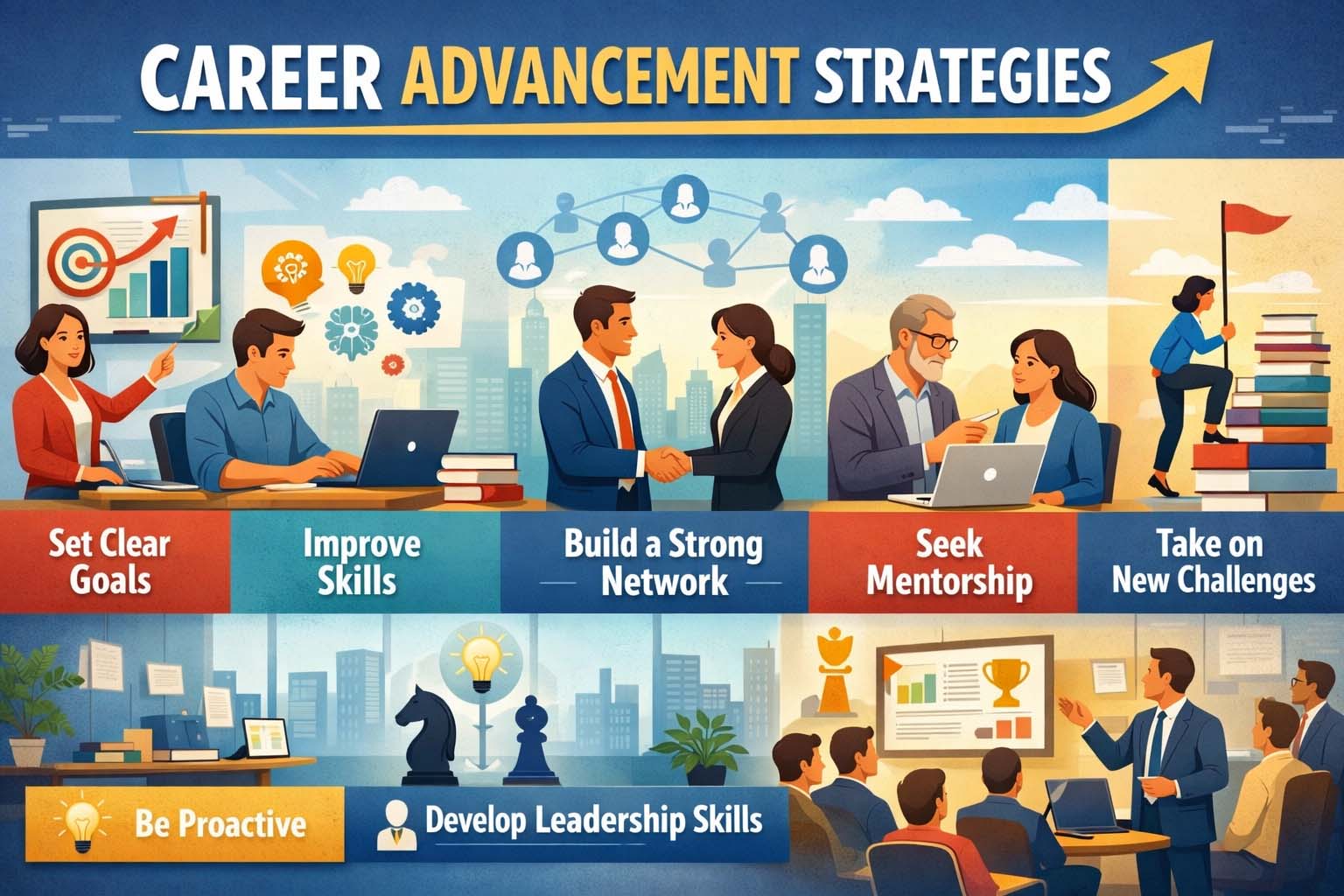
Students who want to maximize their educational investment should maintain clear long-term goals. Having a career plan helps students stay motivated and make informed decisions during their studies.
Setting short-term and long-term goals improves focus and productivity. Students may create goals related to grades, internships, certifications, or career development.
The Importance of Lifelong Learning
Postsecondary education should not end after graduation. Continuing education, certifications, workshops, and professional development programs help individuals stay current in their fields.
Technology and industry standards change rapidly, making lifelong learning essential for career growth. Many professionals continue building skills throughout their careers to remain competitive and increase earning potential.
Conclusion
The question what will you do to maximize on your postsecondary education investment is important for every student planning for the future. Maximizing educational value requires careful planning, strong academic performance, financial responsibility, practical experience, and continuous personal growth.